
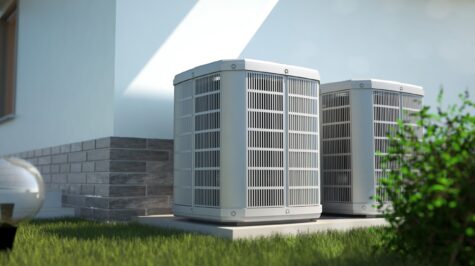
Coastal Orange County, California, offers gorgeous views and beautiful homes. However, living near the Pacific Ocean exposes your HVAC system to salty air, which can cause serious deterioration. It’s important to learn how to prevent it and recognize the early signs of damage. HVAC units typically have a lifespan of 10 to 20 years. By providing proper care, you can help extend their lifespan.
Schedule Seasonal Professional Maintenance
Seasonal professional maintenance helps prevent salty air from damaging your HVAC system. Our experienced team easily identifies both existing and developing problems. This early detection allows us to fix issues quickly before they lead to costly repairs or complete breakdowns.
During the appointment, our technicians perform tasks like cleaning the coils and inspecting electrical components. They’ll also check every part for corrosion, which is one of the most common effects of salty air exposure. We recommend scheduling an appointment with us during the fall to get your system ready for winter heating. Schedule another visit during the spring so that we can prepare your unit for summer air conditioning.
Make sure to ask about our maintenance agreements. Our affordable packages include perks like discounts and priority scheduling.
Know Signs of Potential Damage
It’s important to recognize the signs of potential salt air damage on your HVAC unit. Physical signs of damage include cracks, holes, rust, and discoloration on the exterior. Hearing unusual noises, smelling strange odors, and seeing leaks are just a few additional potential indicators.
Do Self-Inspections
Between professional appointments, performing regular self-inspections is essential for noticing damage. It’s a good idea to check your unit weekly and after severe storms in Orange County.
If you notice any potential issues, never attempt to fix them yourself. Doing so could expose you to risks like electrical shock. You may also cause further damage to your unit. Our professionals have the experience, tools, and training to effectively fix any HVAC issue. Avoid using your HVAC system until we’ve assessed the damage.
Additionally, attempting DIY repairs could void your manufacturer’s warranty. This means you might have to cover future repair costs out of pocket.
One simple task you can do yourself is to clear greenery away from your outdoor HVAC unit. Vegetation that’s too close to the unit can trap saltwater moisture, increasing the risk of damage. Leave at least a few feet of clearance to promote proper airflow.
Don’t Cover Your Unit During the Off-Season
It’s understandable to think that covering your outdoor unit during the fall and winter will help protect it. However, it may have the opposite effect. Covers can actually trap salt and moisture inside the unit, preventing it from completely drying out. This can lead to accelerated corrosion and other potential problems.
Even if you install covers properly, strong winds or rain could shift them out of place. Covers also create an ideal environment for pests to establish their homes. While regular care and maintenance are important, you can typically skip using a cover during the off-season.
Buy a Unit Ideal for Coastal Regions
HVAC units can handle the outdoor elements. However, some models are built specifically for coastal regions and salty air exposure. They include special features like corrosion-resistant coatings on components, which help them stay in better condition.
If you live in Orange County, investing in these specialized units is a smart decision. They may operate more efficiently and save you money on future repairs. If you’re interested in upgrading, our residential service team can assist you in choosing a unit that’s ideal for your Orange County home.
Regularly Rinse Off Your Outdoor Unit
It’s a good idea to rinse off your outdoor coastal HVAC unit every few weeks. However, it’s vital to do it properly. This can help you remove as much salt residue, dirt, and debris as possible without causing damage.
For starters, turn your system off at the electrical panel before you start cleaning. When it’s off, use plain fresh water to rinse off the unit, but never add chemicals or soap. Use a low-pressure garden hose. Power washing might seem like a more effective, efficient option, but the high-powered water could damage the unit.
Prepare for Flooding
Many coastal areas are prone to flooding. When the unit sits in water, especially if it contains salt particles, it can experience severe damage. Saltwater can cause multiple problems, including complete breakdowns and electrical issues. Since your unit must be outdoors, it’s important to prepare an area where it can operate properly.
Consider hiring landscape professionals to assess your property and determine what areas are most at risk for flooding. If you’re already aware of problematic spots, the landscapers can tell you what they can do to rectify the situation. One potential solution is to level a specific area that’s ideal for your HVAC unit.
This is particularly crucial if your unit is currently in a danger zone, such as at the base of a hill. Depending on the situation, relocating it might be necessary. It should also be on a platform that’s high enough to avoid minor flooding.
Choose the Placement Carefully
Your outdoor HVAC unit should be close to your home but have a few feet of clearance on all sides. In a coastal environment like Orange County, it’s important to position it so that it’s not in the direct path of the salty air. For example, the house itself or even large hedges can shield the unit and reduce exposure. Additionally, the unit must sit on level ground.
Ideally, HVAC technicians should put the unit in a prime position during the initial installation. However, relocating it at a later date may be an option. During our inspection, we’ll assess the placement and let you know if it’s in the right spot. If it’s not, we’ll recommend specific changes so the unit has adequate protection and can operate optimally.
Apply Corrosion Protection Coatings
Corrosion protection coatings cover internal HVAC components to prevent damage from salty air and moisture. This added layer is a great way to help extend the lifespan of your system. However, this isn’t something you should attempt to do yourself. Doing so could damage your equipment. Additionally, an incorrect application may not be effective for protecting your system. We can perform this service for you, even if your existing unit doesn’t already have the coating.
Salt concentration in the Orange County air peaks during the summer. We can apply the coating at any time of the year, but spring is the ideal time. Our team can complete the application during your spring tune-up, so your system has complete protection for the season ahead.
Protect Your System Today
Don’t let salt air cause severe damage to your HVAC system. White Mechanical, Inc. in Orange County, CA provides HVAC maintenance and repair services that help prevent problems and address them if they arise.
Call us today to schedule an appointment or book services through our website.